Why SEO Factor Analysis Separates Winners from Guesswork
Every time I sit down with a new client, the first question is always the same: "What do I need to change to rank higher?" It sounds simple, but anyone who has spent more than a week working with websites knows it is never that straightforward. Google's algorithm weighs hundreds of signals, and the weight of each signal shifts constantly. That is why I have come to rely on a structured seo factor analysis long before I touch a single meta tag or rewrite a line of copy.
An seo factor analysis is not a one-time report you run and file away. It is a methodical look at what is actually driving rankings for a specific set of queries, and just as importantly, what is not. I have seen too many people obsess over domain authority because a tool told them it mattered most, only to discover that for their niche, page speed and structured data were the real bottlenecks. Without a proper analysis, you are guessing. With it, you start working from evidence.
What Goes Into a Real SEO Factor Analysis
The first thing I look at is search intent. If the intent behind the query is wrong, nothing else matters. A page optimized for transactional intent will never rank well for an informational query, no matter how many backlinks you throw at it. So before I even open RankGear or any other tool, I spend time on the SERPs themselves. I look at the types of pages that rank: are they blog posts, product pages, listicles, or video results? That tells me what Google thinks users want.
From there, I move into on-page optimization. This is where many people get lazy. They stuff a keyword into the title and call it done. But a thorough seo factor analysis examines meta tags, header structure, internal linking patterns, and the actual content depth. I check TF-IDF signals to see if the page covers the semantic breadth of the topic. If a page about "best running shoes" never mentions cushioning, arch support, or tread pattern, it is likely missing key terms that competitors include. That is not guesswork; that is measurable.
Backlinks and Authority Signals
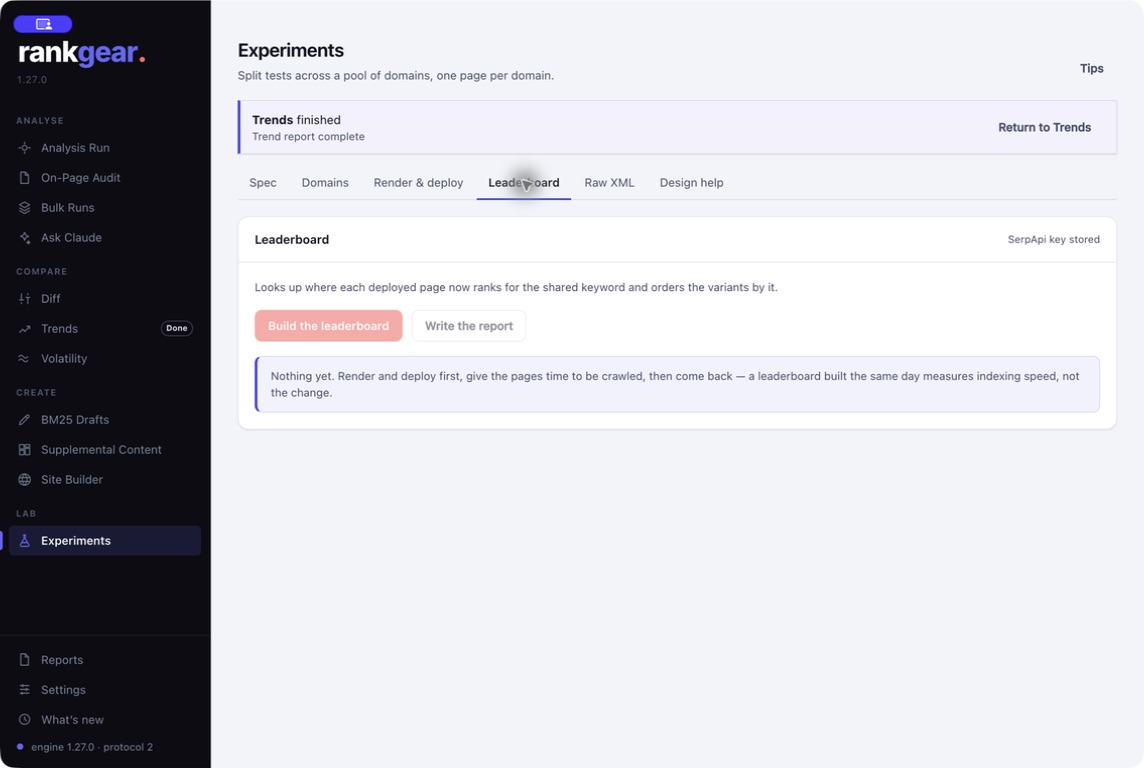
Backlinks still carry weight, but the quality and context of those links matter far more than raw count. I have seen a single link from a highly relevant industry publication move a page from page three to page one, while dozens of low-quality directory links did nothing. In my analysis, I look at the anchor text distribution, the referring domain's topical relevance, and whether the link is editorial or manufactured. Competitor analysis plays a big role here. If your competitors have links from sources you have never heard of, that is a signal you need to chase different types of relationships.
Domain authority is still a useful shorthand, but I never treat it as a definitive measure. Two sites with the same authority score can have wildly different ranking power depending on their link profiles and content history. The analysis should always dig past the surface metric.
Technical Factors That Often Get Overlooked
Page speed is one of those things everyone talks about but few actually fix correctly. I have audited sites where the homepage loaded in under two seconds, but the blog section took eight seconds because of unoptimized images and excessive JavaScript. A proper seo factor analysis will break down speed by page type, not just site-wide. Google's mobile-first index means you have to test on mobile devices, not just desktop. I always check Core Web Vitals in Google Search Console and cross-reference with real user experience signals like bounce rate and time on page.
Structured data is another area where small wins add up. Adding schema markup for reviews, FAQs, or products does not guarantee a featured snippet, but it gives you a shot at SERP features that competitors may be ignoring. I have seen sites gain click-through rates simply by marking up their recipe pages with cook time and ingredient lists. It is not a ranking factor in the direct sense, but it improves visibility in the search results, which indirectly boosts performance.
User experience signals are harder to quantify but impossible to ignore. Google's RankBrain interprets how users interact with your page. If people click your result and bounce back to the SERPs within seconds, that pattern hurts you over time. Conversely, if users stay on the page, scroll, and click through to other pages, that sends a positive signal. Internal linking helps here by guiding users to related content, which keeps them on your site longer and signals relevance to the algorithm.
Keyword Difficulty and Content Strategy
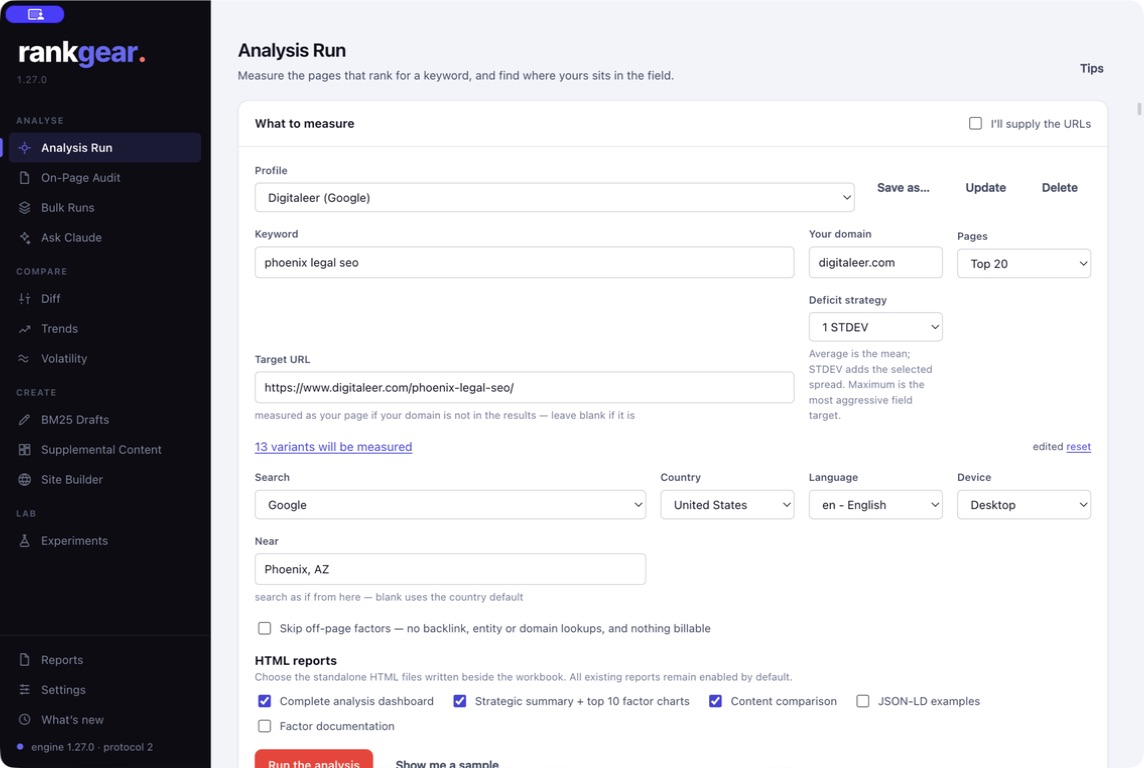
Keyword difficulty is a metric I use as a starting point, not a verdict. A keyword with high difficulty does not mean you cannot rank; it means you need a smarter approach. Sometimes the right move is to target a slightly different variation of the query, or to build a content cluster that covers the topic more thoroughly than any single page could. Content strategy is not just about writing more pages. It is about deciding which pages to write, which to update, and which to consolidate.
I once worked on a site that had ten different pages all targeting variations of the same keyword. None of them ranked well because they cannibalized each other. We merged them into one comprehensive guide, fixed the internal linking structure, and the page jumped to position four within a month. That kind of move comes from analysis, not intuition.
Practical Steps for Your Next SEO Factor Analysis
- Identify the top three to five queries you want to rank for. Check the SERP features and search intent for each one before doing anything else.
- Run a competitor analysis for those queries. Note which pages rank, what content format they use, and what backlinks they have.
- Audit your own pages for on-page optimization, page speed, and mobile usability. Use structured data where appropriate.
- Review your internal linking. Are your most important pages getting enough link equity from related content?
- Check for content gaps. Are there subtopics or questions that your page does not address but competitors do?
After you complete those steps, you will have a clear picture of what to prioritize. The goal is not to fix everything at once. It is to identify the changes that will move the needle most for your specific situation.
Why This Matters More Than Ever
Google's algorithm has grown more sophisticated with every update. RankBrain and other machine learning components mean that the search engine increasingly understands meaning, not just keywords. That makes seo factor analysis more valuable, not less. When you know which factors actually correlate with rankings for your niche, you can stop chasing every new tactic and focus on what works.
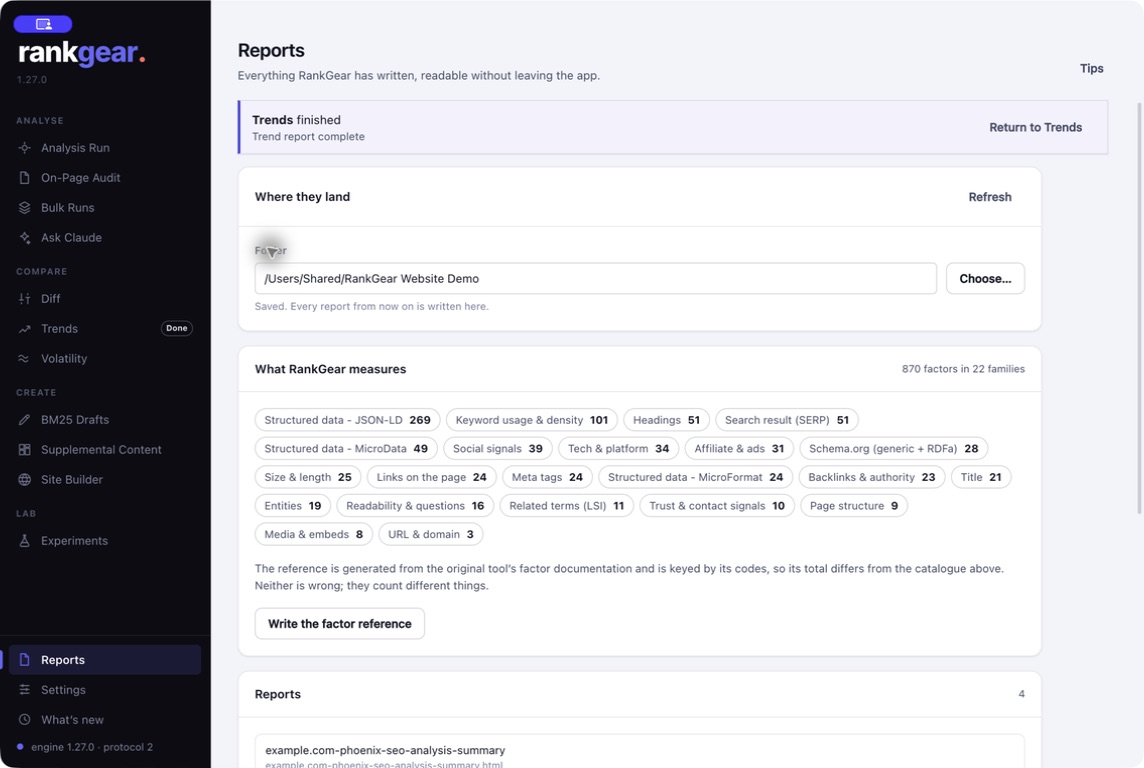
The best SEOs I know treat analysis as a continuous process. They run an SEO audit quarterly, review their content strategy monthly, and check user experience signals weekly. They do not rely on a single tool or a single metric. They combine data from RankGear, Google Search Console, and their own analytics to build a complete picture. That is how you stay ahead of the competition without burning out on trends that do not matter.
If you take one thing away from this, let it be this: the next time you are tempted to make a change because it feels right, stop and run the numbers first. A structured seo factor analysis will either confirm your instinct or save you from wasting time on something that will not move the needle. Either way, you win.